4 Tips On Winter Preparedness And Aphasia
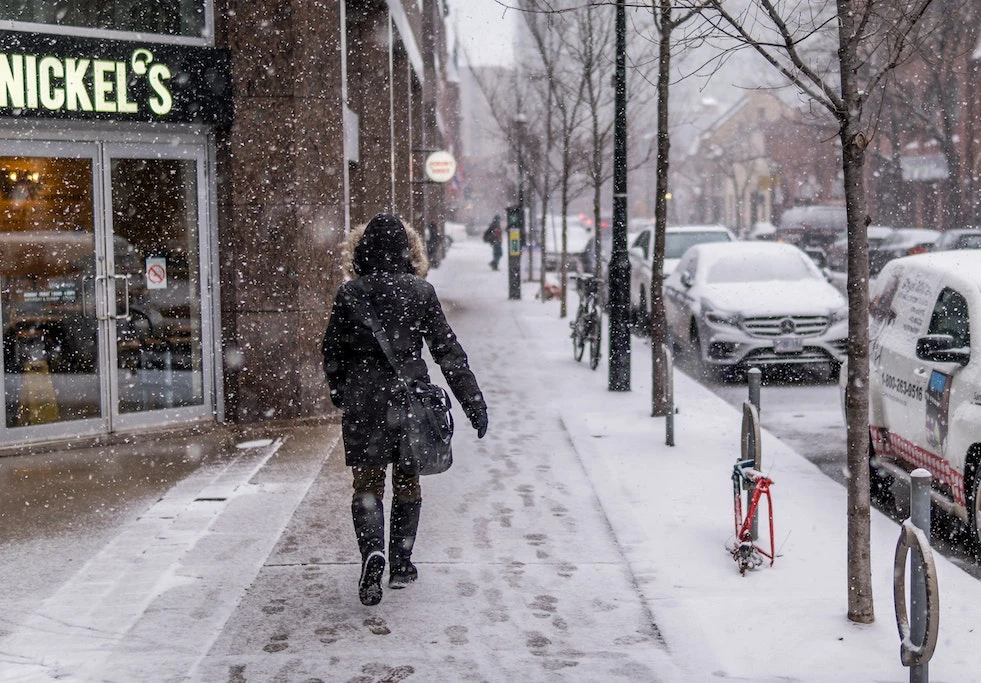
Winter weather may bring seasonal enjoyment to many around the world, but winter weather is also twice as dangerous as the summer heat according to the to CDC. And when a condition like aphasia or brain injury is involved, it adds a unique level of risk to the common types of winter accidents. That’s why we’ve prepared this simple list for winter preparedness for those with aphasia.
Keep Your Power Banks and Devices Charged
Winter weather can bring heavy snows, freezing rain, and high winds, all of which can lead to damaged powerlines and equipment. Many individuals with aphasia rely on cell phones and AAC devices in their day-to-day lives, and when the power fails, those devices start to drain. Consider what you rely on in your daily routine, and if it requires charging, consider a power bank. These handy portable chargers vary in size, but many of the popular models can recharge a cellphone multiple times, or provide a charge or two to tablet devices.
Implement the Buddy System
If you’re cooped up indoors due to winter weather, you’re likely not the only one. Implementing the buddy system means that you’ll have a go-to person to check in with on a regular basis during inclement weather and power outages. This cooperative arrangement ensures that each party has someone to make decisions like whether to call for emergency help or make a home visit in the case that a “buddy” is unreachable. Think about who your buddy could be, and set some ground rules with them.
Download a Communication Impairment ID Card
When an individual with a communication impairment like aphasia will be interacting with emergency responders or someone they’re unfamiliar with, it can be helpful to have a communication impairment ID card. These helpful tools allow the individual to relay their circumstances in a fast and clear way. For example, an aphasia ID card could say “My name is Shelly. I have aphasia. I have difficulty communicating. Please speak slowly and clearly.”
Download your free Communication ID Card today!
Find Your Local Special Needs Emergency Registry
Many localities provide volunteer registries for those with special needs that would be helpful for emergency personnel to know during times of crisis. People who need extra help during an emergency can include those who rely on life support systems, have mobility needs, or have communication-related impairments. To find your registry, try conducting a web search of your town along with “special needs emergency registry.”
Winter can be a beautiful time of the year, but it’s important to stay prepared.